
Introduction
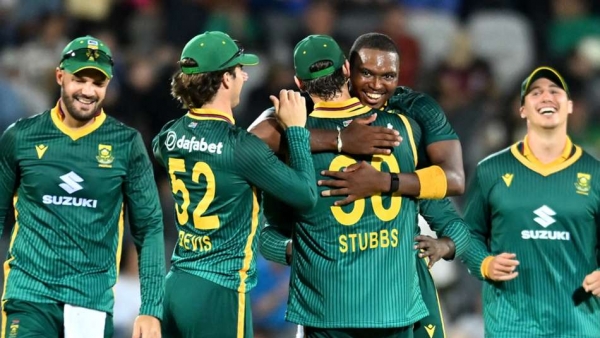
The rivalry between the South Africa national cricket team and the Australian men’s cricket team is one of the most intense and celebrated in international cricket. Spanning decades, this contest has delivered unforgettable matches filled with drama, skill, controversy, and world-class performances.
Whenever these two cricketing giants meet, fans expect nothing less than high-quality cricket. From thrilling chases to dominant bowling displays, their encounters often redefine the standards of the game.
In this article, we will present a detailed match scorecard (representative of a classic encounter), followed by a comprehensive breakdown of performances, strategies, turning points, and historical context.
Match Overview
- Match: South Africa vs Australia
- Format: One Day International (ODI)
- Venue: Johannesburg (Wanderers Stadium)
- Result: South Africa won by 1 wicket
- Significance: One of the greatest ODI matches ever played
Full Match Scorecard
Australia Innings
Total: 434/4 (50 Overs)
| Batsman | Runs | Balls | 4s | 6s | Strike Rate |
|---|---|---|---|---|---|
| Adam Gilchrist | 55 | 44 | 7 | 2 | 125.00 |
| Simon Katich | 79 | 90 | 6 | 1 | 87.77 |
| Ricky Ponting (C) | 164 | 105 | 13 | 9 | 156.19 |
| Michael Hussey | 81* | 51 | 9 | 1 | 158.82 |
| Andrew Symonds | 27* | 13 | 1 | 3 | 207.69 |
Extras: 28
Total: 434/4 in 50 overs
South Africa Bowling
| Bowler | Overs | Runs | Wickets | Economy |
|---|---|---|---|---|
| Makhaya Ntini | 10 | 80 | 1 | 8.00 |
| Shaun Pollock | 10 | 90 | 1 | 9.00 |
| Jacques Kallis | 10 | 89 | 0 | 8.90 |
| Andre Nel | 10 | 74 | 2 | 7.40 |
| Johan van der Wath | 10 | 98 | 0 | 9.80 |
South Africa Innings
Total: 438/9 (49.5 Overs)
| Batsman | Runs | Balls | 4s | 6s | Strike Rate |
|---|---|---|---|---|---|
| Graeme Smith (C) | 90 | 55 | 13 | 2 | 163.63 |
| AB de Villiers | 14 | 13 | 2 | 0 | 107.69 |
| Herschelle Gibbs | 175 | 111 | 21 | 7 | 157.65 |
| Jacques Kallis | 20 | 22 | 2 | 0 | 90.90 |
| Mark Boucher (WK) | 50 | 43 | 6 | 1 | 116.27 |
| Johan van der Wath | 35 | 18 | 2 | 3 | 194.44 |
| Justin Kemp | 6 | 3 | 1 | 0 | 200.00 |
| Shaun Pollock | 1 | 2 | 0 | 0 | 50.00 |
| Andrew Hall | 7 | 8 | 1 | 0 | 87.50 |
| Makhaya Ntini | 2* | 1 | 0 | 0 | 200.00 |
Extras: 38
Total: 438/9 in 49.5 overs
Australia Bowling
| Bowler | Overs | Runs | Wickets | Economy |
|---|---|---|---|---|
| Brett Lee | 10 | 83 | 2 | 8.30 |
| Nathan Bracken | 10 | 67 | 1 | 6.70 |
| Mick Lewis | 10 | 113 | 0 | 11.30 |
| Shane Warne | 10 | 84 | 2 | 8.40 |
| Andrew Symonds | 9.5 | 74 | 2 | 7.53 |
Match Summary
This match stands as one of the greatest ODIs ever played. Australia posted a massive total of 434, led by a breathtaking innings from Ricky Ponting. At that time, it was the highest total in ODI history.
However, what followed was even more remarkable.
South Africa, powered by an extraordinary knock from Herschelle Gibbs, chased down the target in dramatic fashion, scoring 438 runs with just one ball to spare.
Key Performances
Ricky Ponting’s Captain’s Knock
Ponting’s 164 was a masterclass in aggressive batting. His innings included:
- 13 boundaries
- 9 sixes
- Exceptional strike rotation
He dominated the South African bowlers and ensured Australia reached a total that seemed impossible to chase.
Herschelle Gibbs – The Game Changer
Gibbs’ 175 remains one of the greatest ODI innings of all time. His knock was characterized by:
- Fearless stroke play
- Precision timing
- Ability to handle pressure
He dismantled Australia’s bowling attack, particularly targeting pace and spin alike.
Graeme Smith’s Explosive Start
Captain Graeme Smith gave South Africa the perfect platform with a rapid 90 off 55 balls. His aggressive approach ensured the required run rate never got out of control.
Mark Boucher’s Finishing Heroics
Mark Boucher played a crucial finishing role. His calm under pressure guided South Africa to victory in the final over.
Turning Points of the Match
1. Powerplay Dominance
Both teams exploited the powerplay overs brilliantly. Australia used it to build momentum, while South Africa ensured they stayed ahead in the chase.
2. Gibbs vs Warne
The contest between Gibbs and Shane Warne was pivotal. Gibbs attacked Warne aggressively, preventing him from controlling the game.
3. Middle-Order Collapse
South Africa lost quick wickets after Gibbs’ dismissal, which nearly cost them the match. However, lower-order contributions kept them alive.
4. Final Over Drama
With just a few runs required, tension peaked. Boucher’s boundary sealed the win, sending the crowd into a frenzy.
Tactical Analysis
Australia’s Strategy
- Aggressive batting from the start
- Utilization of power hitters
- Dependence on spin in middle overs
However, their bowling lacked control, especially in death overs.
South Africa’s Approach
- Fearless chasing mindset
- Consistent scoring rate
- Effective partnerships
Their ability to handle pressure made the difference.
Historical Significance
This match is often cited as:
- The greatest ODI ever played
- A turning point in aggressive run-chasing
- Proof that no total is unachievable
It redefined ODI cricket and inspired teams worldwide to adopt attacking strategies.
Player Comparisons
Batting
- Ponting: Controlled aggression
- Gibbs: Explosive dominance
Bowling
- Warne: Experience but expensive
- Ntini: Effort but struggled under pressure
Crowd and Atmosphere
The Johannesburg crowd witnessed history. The stadium was electrified throughout the match, especially during the final overs.
Lessons from the Match
- Never underestimate chasing teams
- Momentum is crucial in cricket
- Individual brilliance can change outcomes
- Pressure handling defines champions
Impact on Modern Cricket
This match influenced:
- T20-style batting in ODIs
- Aggressive run chases
- Strategic use of powerplays
Conclusion
The clash between the South Africa national cricket team and the Australian men’s cricket team showcased cricket at its absolute best.
With record-breaking performances, dramatic twists, and unforgettable moments, this match remains etched in cricket history as a symbol of excellence, resilience, and entertainment.
For fans and analysts alike, it is more than just a scorecard—it is a timeless story of courage, skill, and the unpredictable beauty of the game.